
The 5-hour Mount Whitney Mountaineer’s Route Challenge | Sequoia National Park and Inyo National Forest | California | United States

In Episode 1, we established that Internal Powers—things that are invisible, within ourselves, and within our control—include the embodiment of healthy behaviors and virtues. Today, we explore what that means and why it matters.
Being a Loving Human or an ethical person is the behavioral solution that makes us feel well or generates well-being. This means embodying a predominance of healthy behaviors and virtues over toxic behaviors and flaws. Being a Selfish Human or an unethical person is the behavioral problem that makes us feel unwell or generates ill-being. This means embodying a predominance of toxic behaviors and flaws over healthy behaviors and virtues.
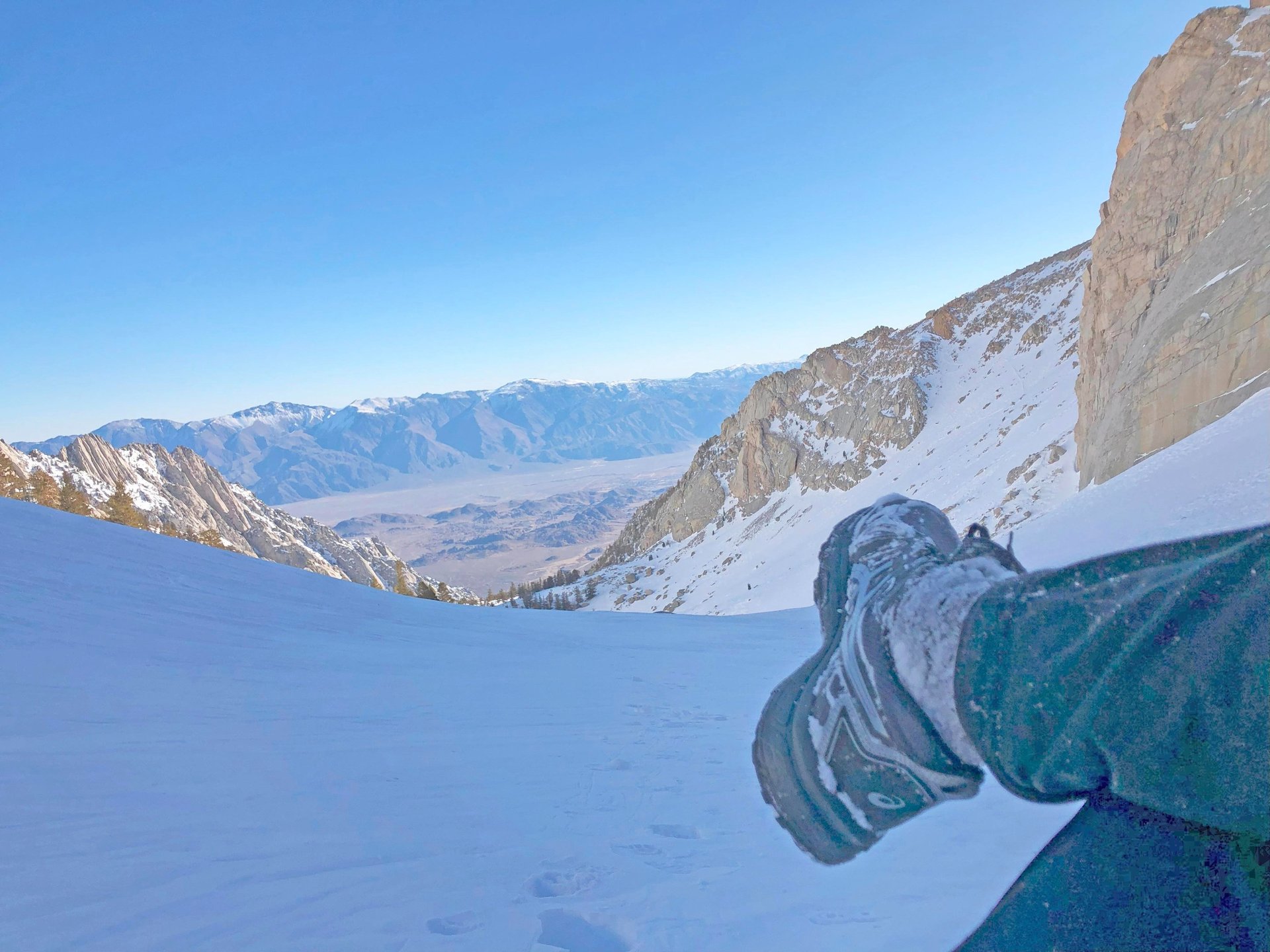
The plan: The goal was to reach the summit of Mount Whitney (4,421 meters)—the highest peak in the contiguous United States—in 5 hours or less from Whitney Portal, while also swimming in Lower Boy Scout Lake for 3 minutes along the way.
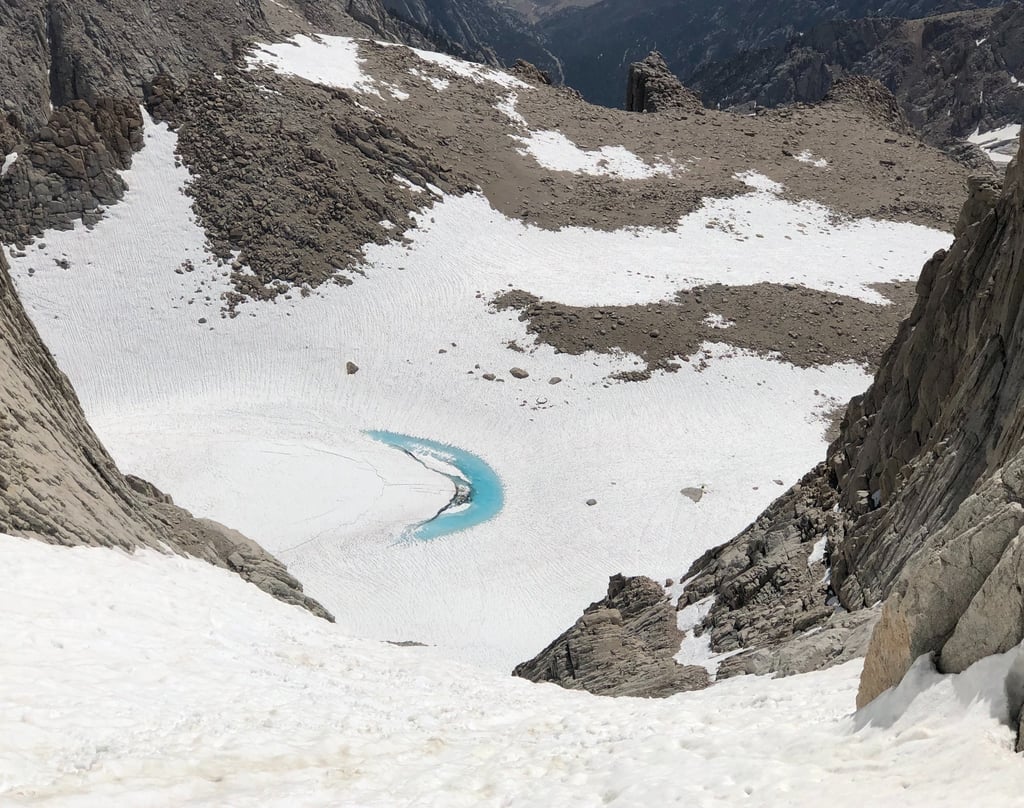
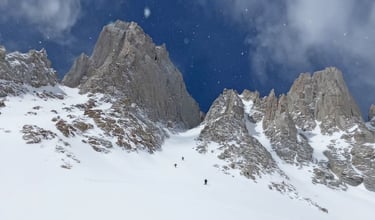
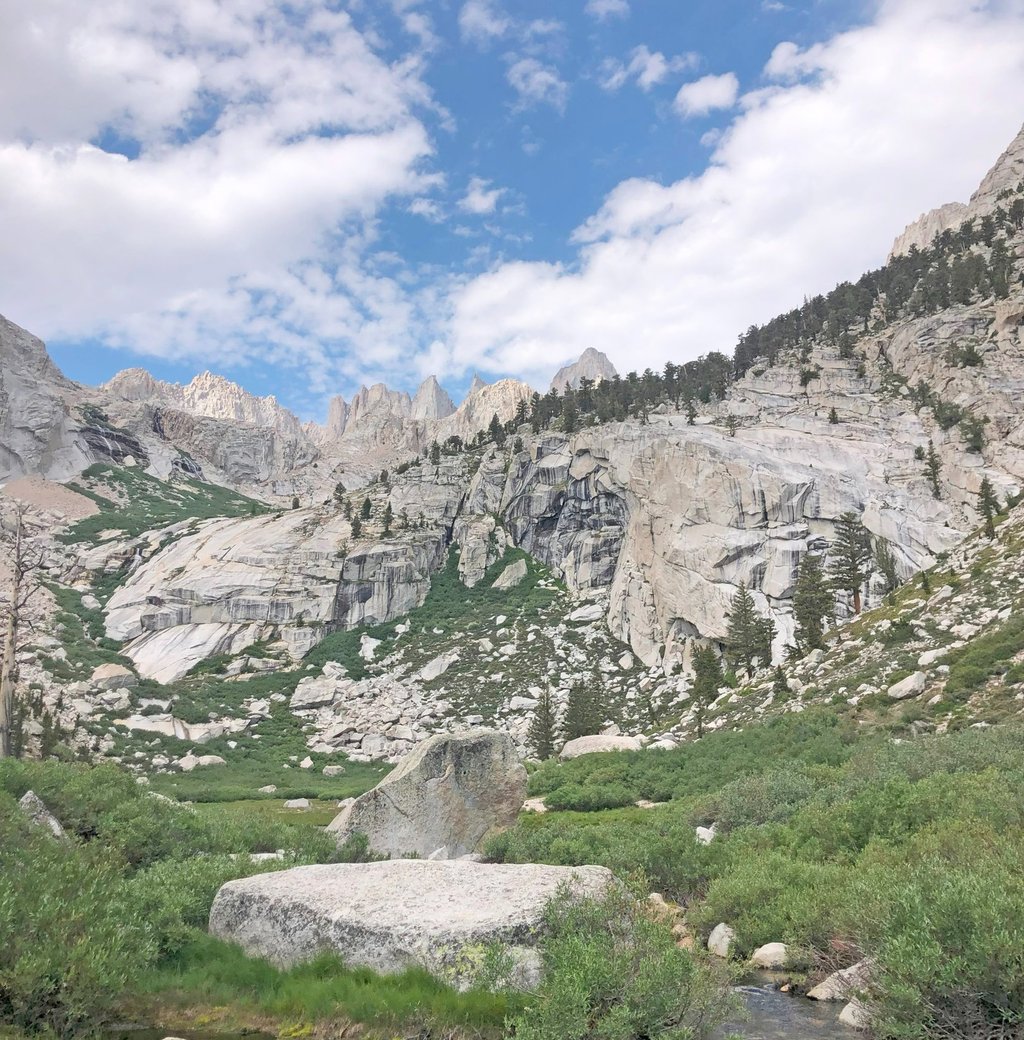
The Route: The route starts at Whitney Portal (2,548 meters) in Inyo National Forest, Eastern Sierra, California, near Lone Pine. It follows the Mountaineer's Route up the North Fork of Lone Pine Creek, passing through the Ebersbacher Ledges. The route continues to Lower Boy Scout Lake (3,150 meters), then past Upper Boy Scout Lake (3,450 meters), ascending to Iceberg Lake (3,847 meters).
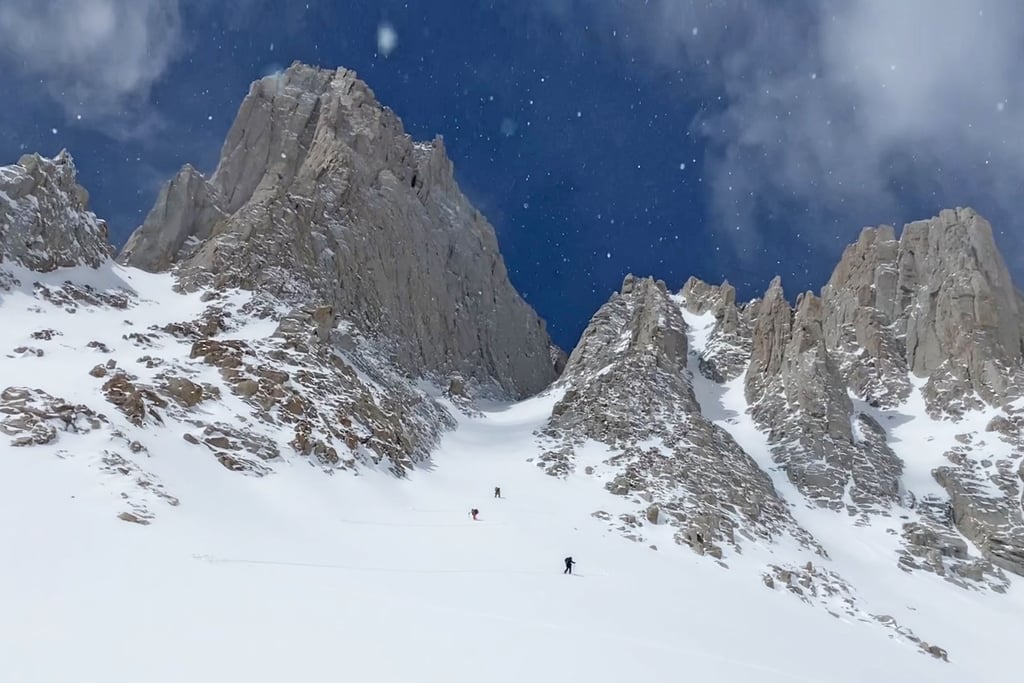
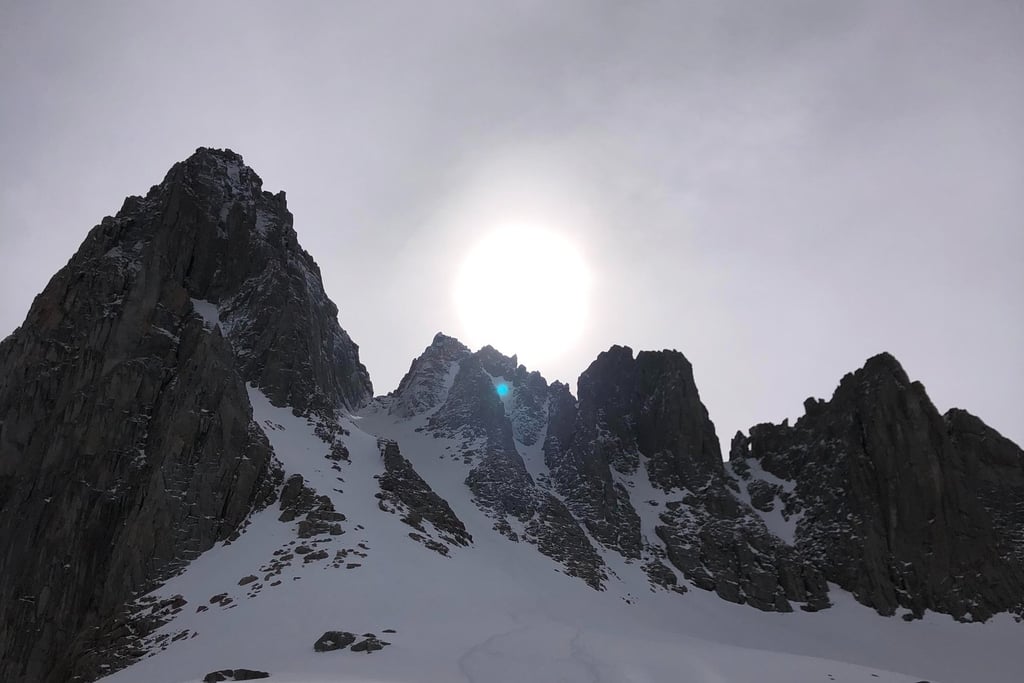
From there, it climbs through the Mountaineer's Chute to the Notch, and scrambles the final 122 meters to reach the summit in Sequoia National Park—the southern terminus of the John Muir Trail. Total elevation gain: approximately 1,859 meters.
Let's focus on the primary mechanism: creating balance.
Competing is the primary toxic behavior that contributes the most to feeling unwell by generating imbalance and violating what we know to be right. Competing means wanting to be or have the most—or the best—of something while preventing others from doing well, in order to validate our human existence through acknowledgment, admiration, popularity, money, or status.
This imbalance destabilizes us mentally, emotionally, and physically because competing is equivalent to taking without giving something in return all while neglecting the welfare of others. And internally, we know that competing or engaging in other toxic behaviors like manipulating, or being dishonest—is morally wrong. Yet we do it anyway because we compete.
This creates a misalignment between what we know to be right and what we actually do. And the awareness of misalignment is what makes us feel unwell.
The 5-hour Mount Whitney Challenge
Collaborating is the primary healthy behavior that contributes the most to feeling well by generating balance and aligning with what we know to be right. Collaborating means walking toward a horizon of common goals that nurture the well-being and happiness of all.
This balance stabilizes us mentally, emotionally, and physically because collaborating is equivalent to giving without expecting something in return all while taking into account the welfare of all. And internally, we know that collaborating or engaging in other healthy behaviors like being transparent or being honest—is morally right. This awareness is what makes us feel well.
Toxic behaviors and flaws generate ill-being through five key mechanisms: they create imbalance, make us unwhole by depending on External Powers, violate what we know is right, betray ourselves, and lower our self-worth.
Healthy behaviors and virtues generate well-being through the same five mechanisms in reverse: they create balance, make us whole by relying on Internal Powers, align with what we know is right, honor ourselves, and increase our self-worth.
Feeling better episode #2: Healthy behaviors produce well-being
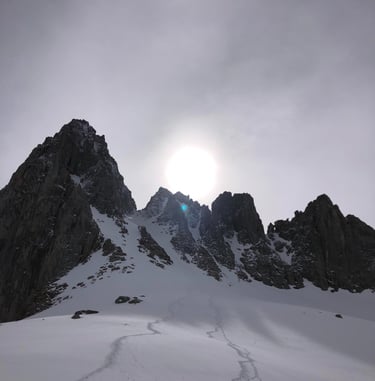
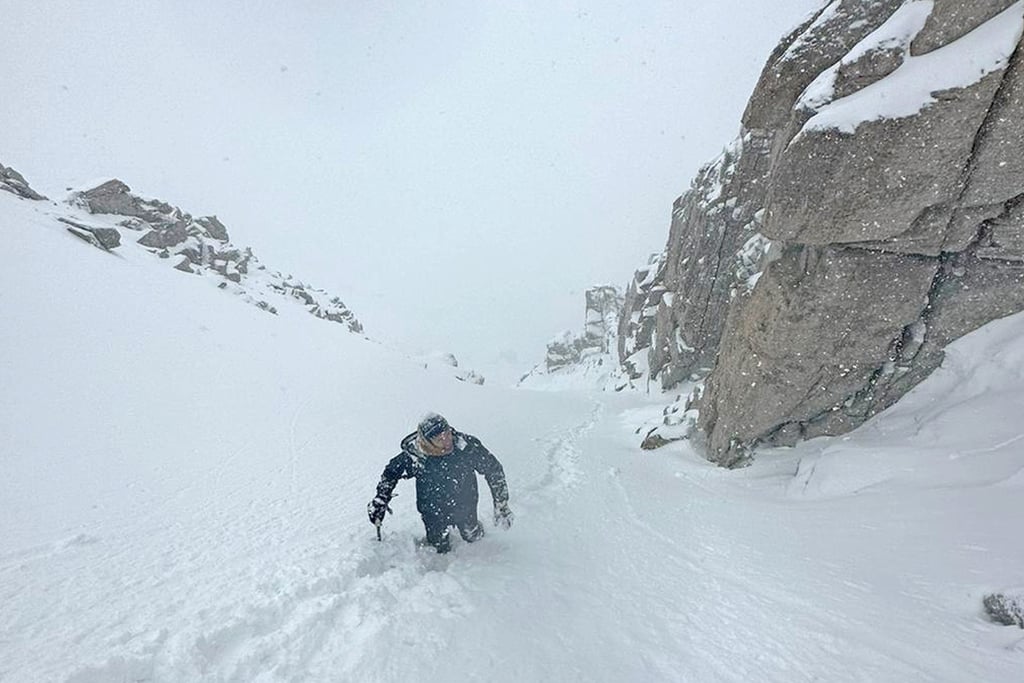
Climbing the Final 400 of Mount Whitney Mountaineer’s Route, California
The Chute – Mount Whitney Mountaineer’s Route, California
Iceberg Lake in July – Mount Whitney Mountaineer’s Route, California
Climbing the Chute – Mount Whitney Mountaineer’s Route, California
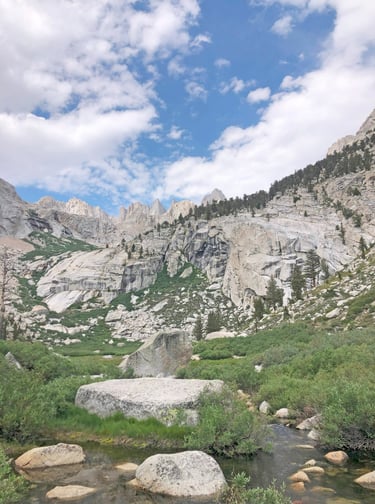
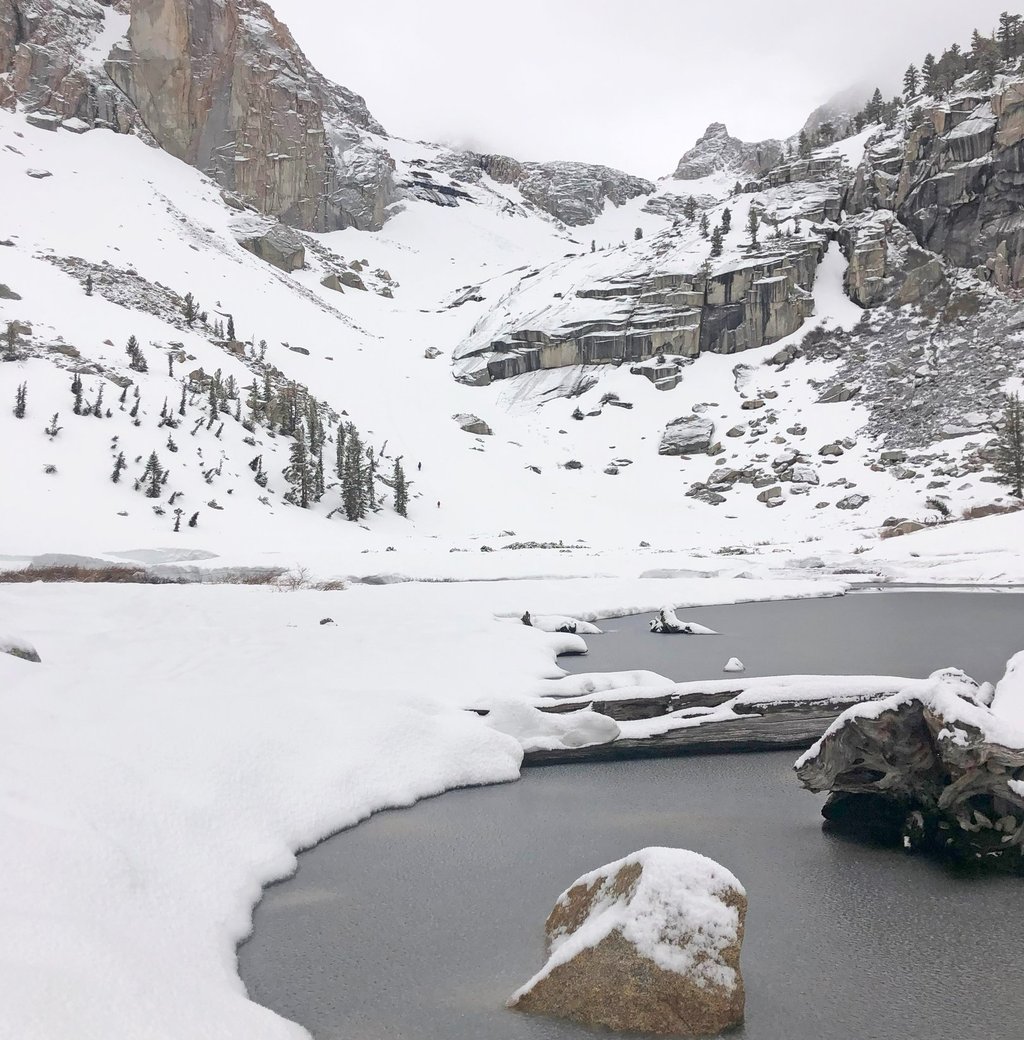
Lower Boy Scout Lake in September, Mount Whitney Mountaineer’s Route, California
Lower Boy Scout Lake in January, Mount Whitney Mountaineer’s Route, California
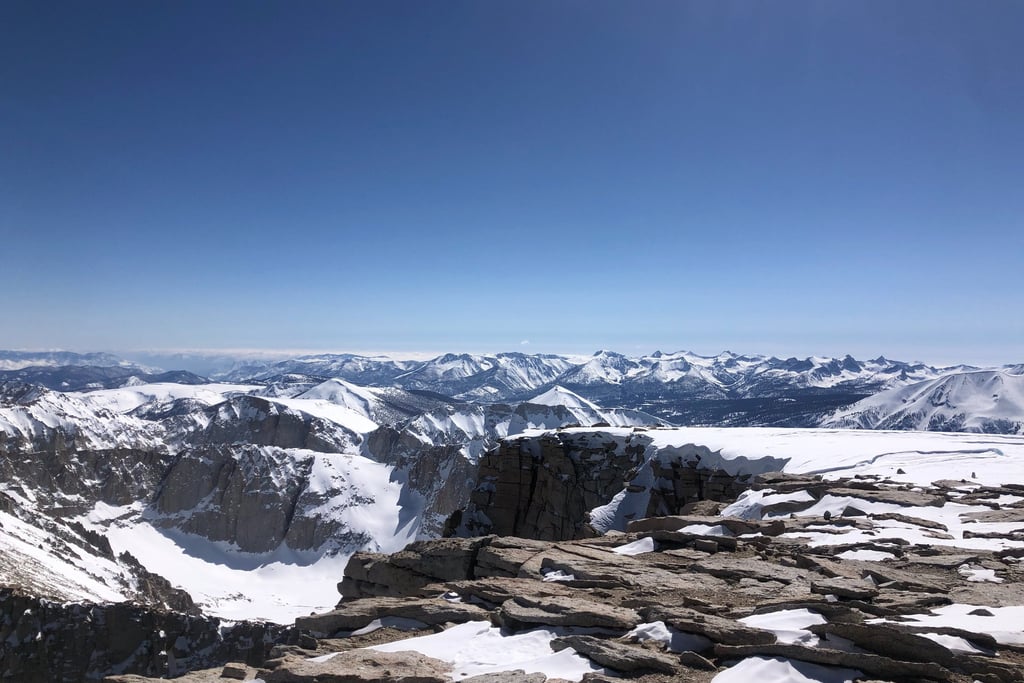
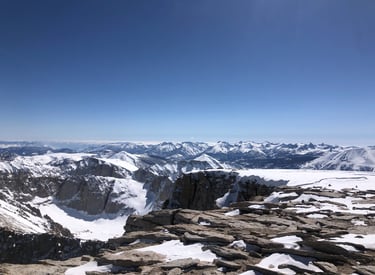
Mount Whitney Summit, Sierra Nevada, California
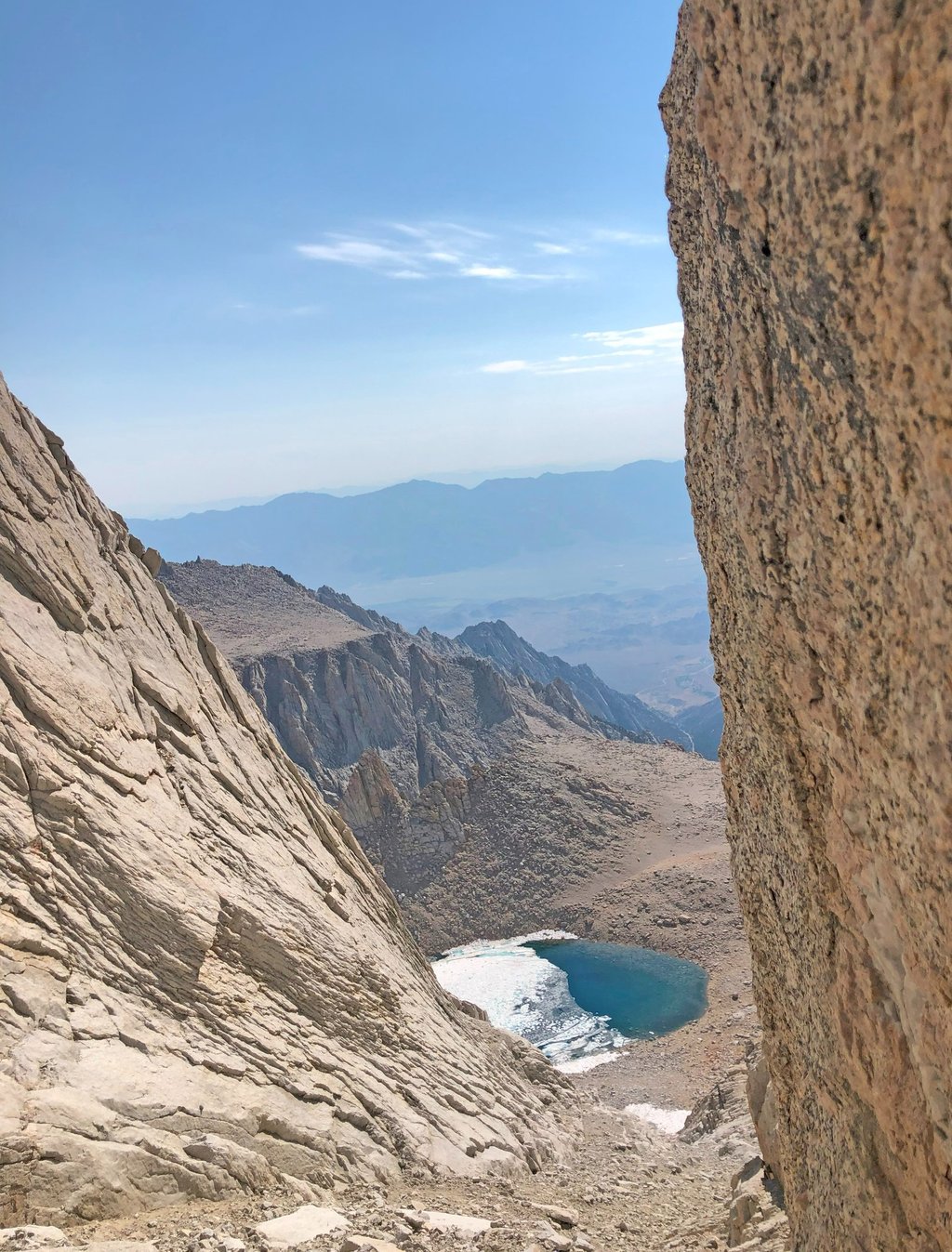
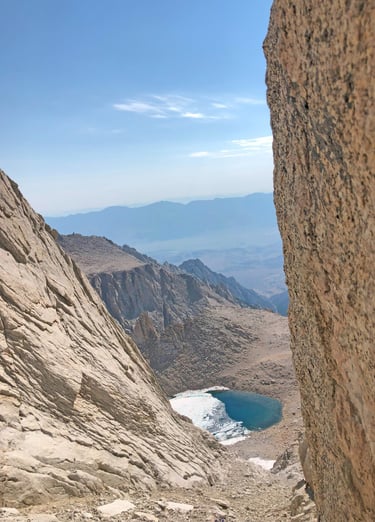
Iceberg Lake in September – Mount Whitney Mountaineer’s Route, California
PLW Life Coaching is the unconventional and ethical health, wellness, and personal development coaching on the extreme end of the spectrum. That is why it's simple, fast, sustainable, and fun.